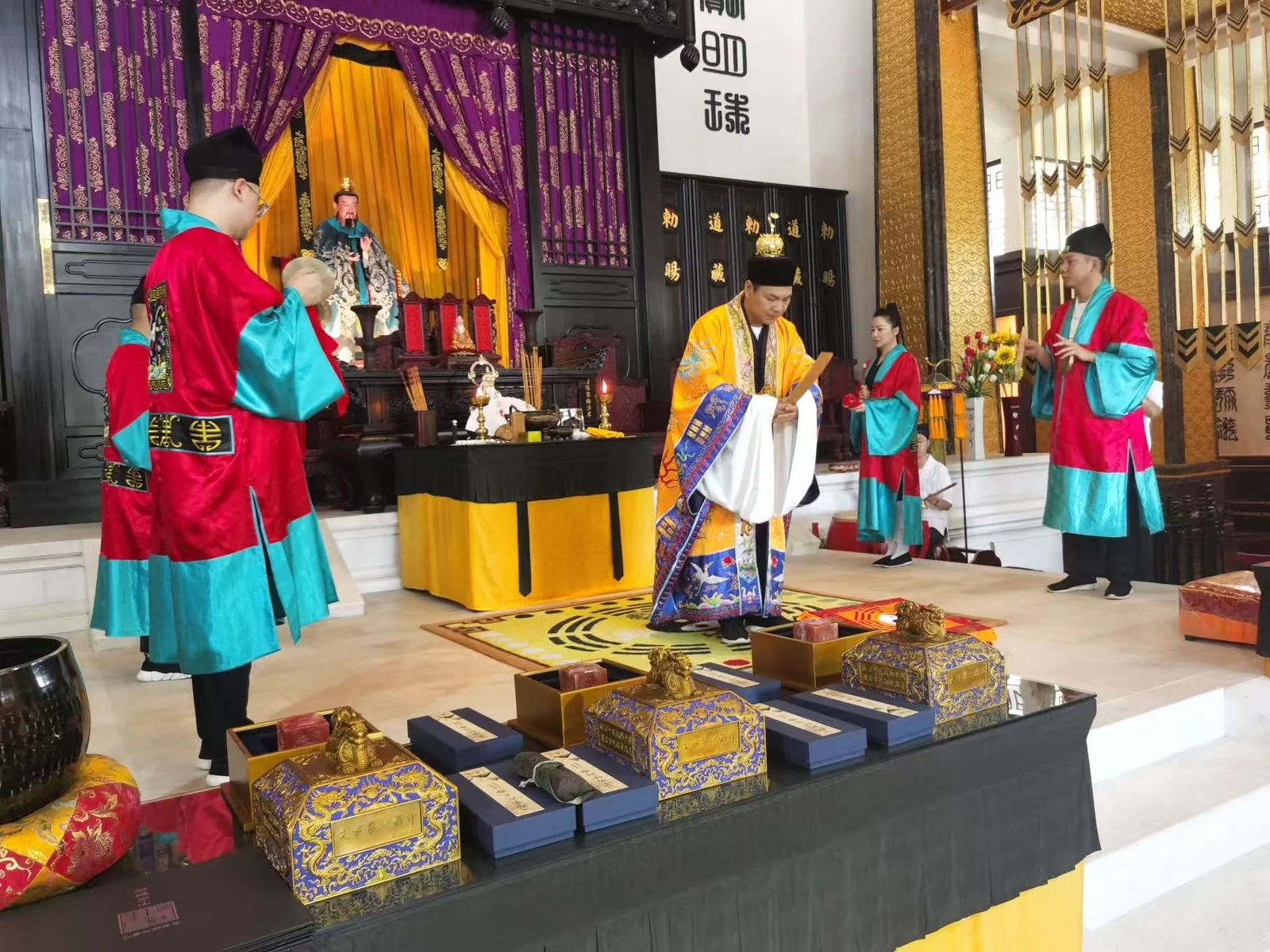
RITUAL & TEMPLE LIFE
A tradition in practice.
Photographs and short films bring the ceremonial world a little closer.
Observe temple lifeA mountain, a manuscript, a moment of attention.
Begin wherever your curiosity leads.
Daoism brings together scripture, reverence for divine beings, cultivation and ritual. Begin with Maoshan’s Shangqing inheritance, and explore how these practices take shape in texts, temples and everyday lives.
Daoism and Taoism are two English spellings of the same word. We use Daoism in our introductions and retain the familiar title Tao Te Ching for the classic.
Chinese and English, side by side.
Your place kept for the next visit.
Scripture, devotion and the rhythm of the year.
Temple life. Objects on display.
A place for shared learning.
Photographs and short films bring the ceremonial world a little closer.
Observe temple life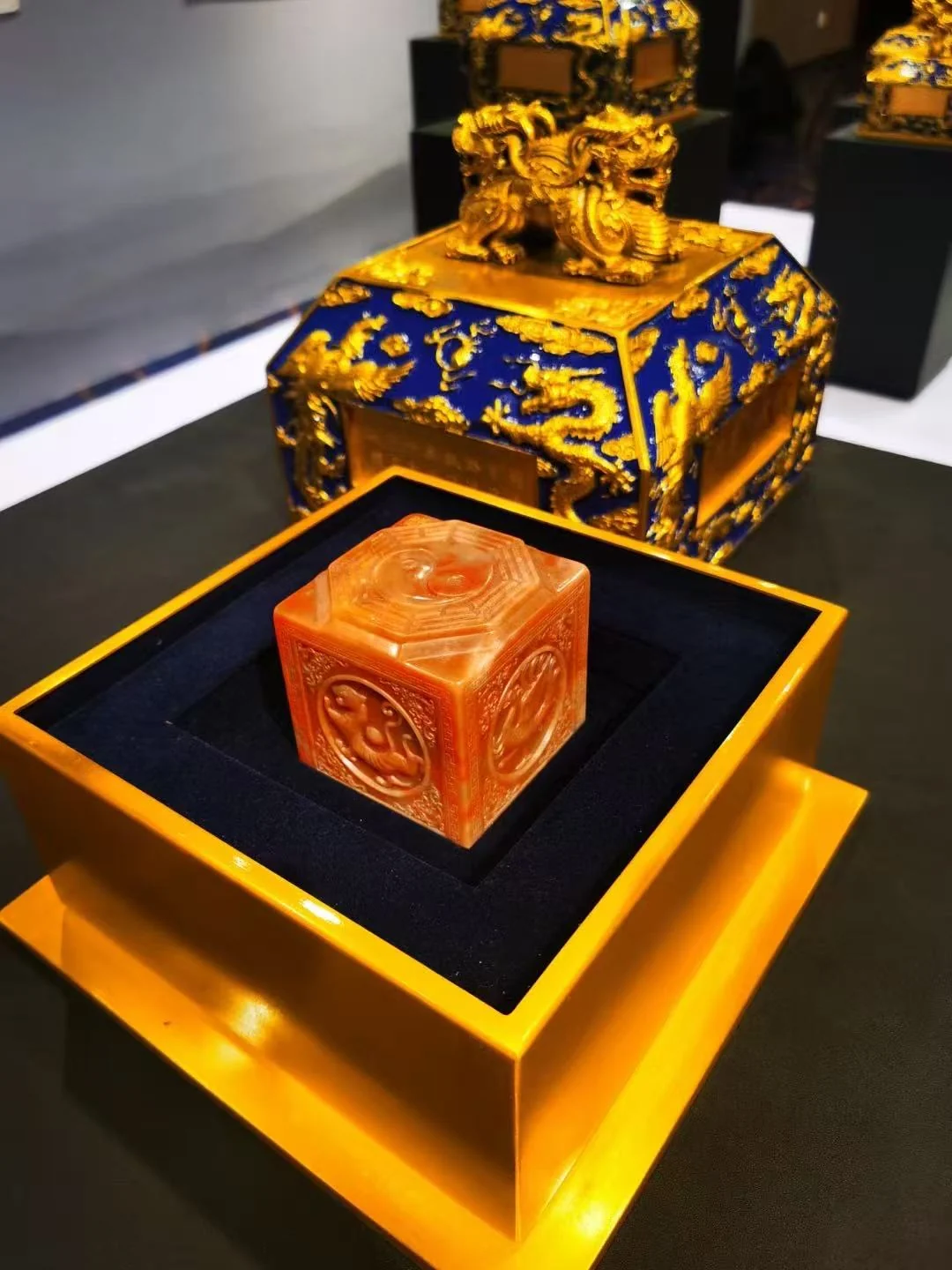
Carved forms, inscriptions and crafted details from the collection.
Explore the archive
A proposed cultural programme around Qianyuan Guan, history and reflection.
Discover the programmeA few reading companions.
Let the chapters add depth.
A word for the way of things, and a word that points beyond a complete definition. Chapter one begins by asking what happens when we try to name it.
What becomes harder to see once you have given it a label?
Meet the idea in chapter 1Often translated as “virtue”, de also invites a question about how the Way is expressed in a life. Chapter 38 contrasts an unselfconscious character with the effort to appear virtuous.
What would kindness look like without an audience?
Meet the idea in chapter 38Read as an invitation to examine unnecessary force. Chapter 48 describes a movement of letting go; chapter 37 brings this question into the language of governing.
Where might careful attention do more than another push?
Meet the idea in chapter 48The closing words of chapter 25 turn toward what is so of itself. Naturalness here offers a question about the way things unfold, beyond a simple picture of wilderness.
What changes when you make room for another rhythm?
Meet the idea in chapter 25These are editorial starting points for reading, not exhaustive definitions. Daoist traditions and translations offer different interpretations.
The Shangqing tradition honours Wei Huacun as an ancestral teacher. Accounts of her life and revelation belong to the tradition’s sacred history.
The temple’s account ↗Writings associated with Yang Xi and the Xu family are central to the early Shangqing story. The temple’s account dates the revelations from 364.
Meet the Shangqing traditionA life of study helped turn Maoshan into a centre of transmission. His story brings the work of preserving a tradition into human focus.
Read his story上善若水
“The highest excellence
is like (that of) water.”
CHAPTER 08 · JAMES LEGGE
Read the chapterMeeting Maoshan and Longhu Mountain through their own histories.
Read the essay 02 / Ideas for everyday lifeAn invitation to read carefully, and to notice where effort becomes force.
Read the essay 03 / Cultural encountersSmall habits that make an encounter with a temple, a text or an object more meaningful.
Read the essayExplore our sister site’s history library and classical commentaries at Longhu Mountain.
Longhu Mountain’s history libraryThe bilingual classic & commentaries