A day of culture
& reflection.
A proposed one-day encounter with Qianyuan Guan.
Temple culture, wartime memory and time to think together.
Please inquire in advance to discuss your visit.
Learn slowly.
Look more closely.
A one-day cultural study outline around Qianyuan Guan, connecting Daoist traditions and modern history.
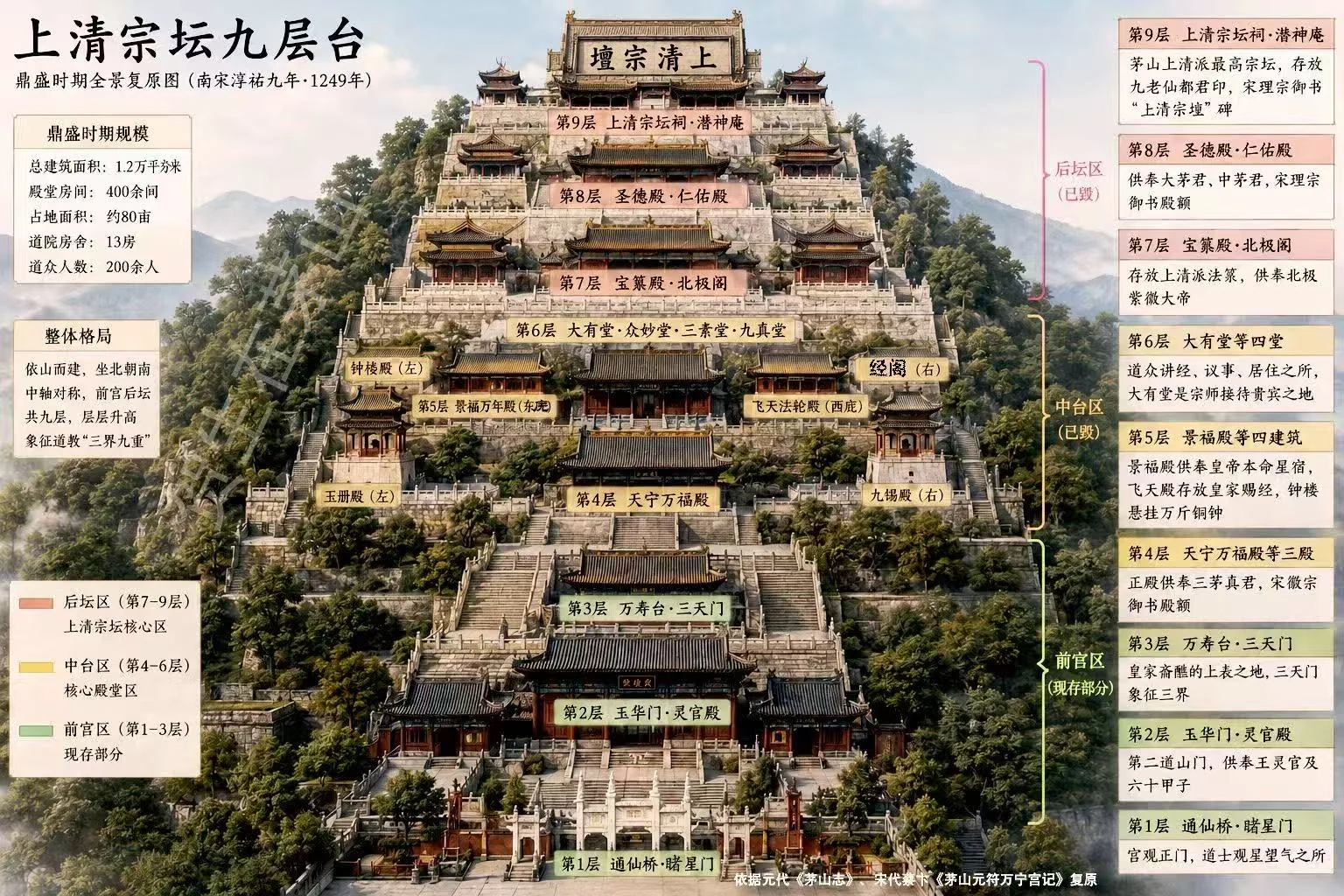
Maoshan’s wider story is closely associated with Shangqing. Qianyuan Guan also has its own Quanzhen tradition, expressed in its community and liturgical music. The visit would introduce these connections while respecting their differences.
The proposed day brings together temple etiquette, historical interpretation, a vegetarian meal, introductory breathing and movement traditions, and a shared closing discussion.
Time to listen.
Space to reflect.
For adult cultural groups.
The pace follows the setting.
Arrive & observe
Begin with temple etiquette and an introduction to the community. Where visitor access is permitted, the day may include quiet observation of morning liturgy.
Read the mountain
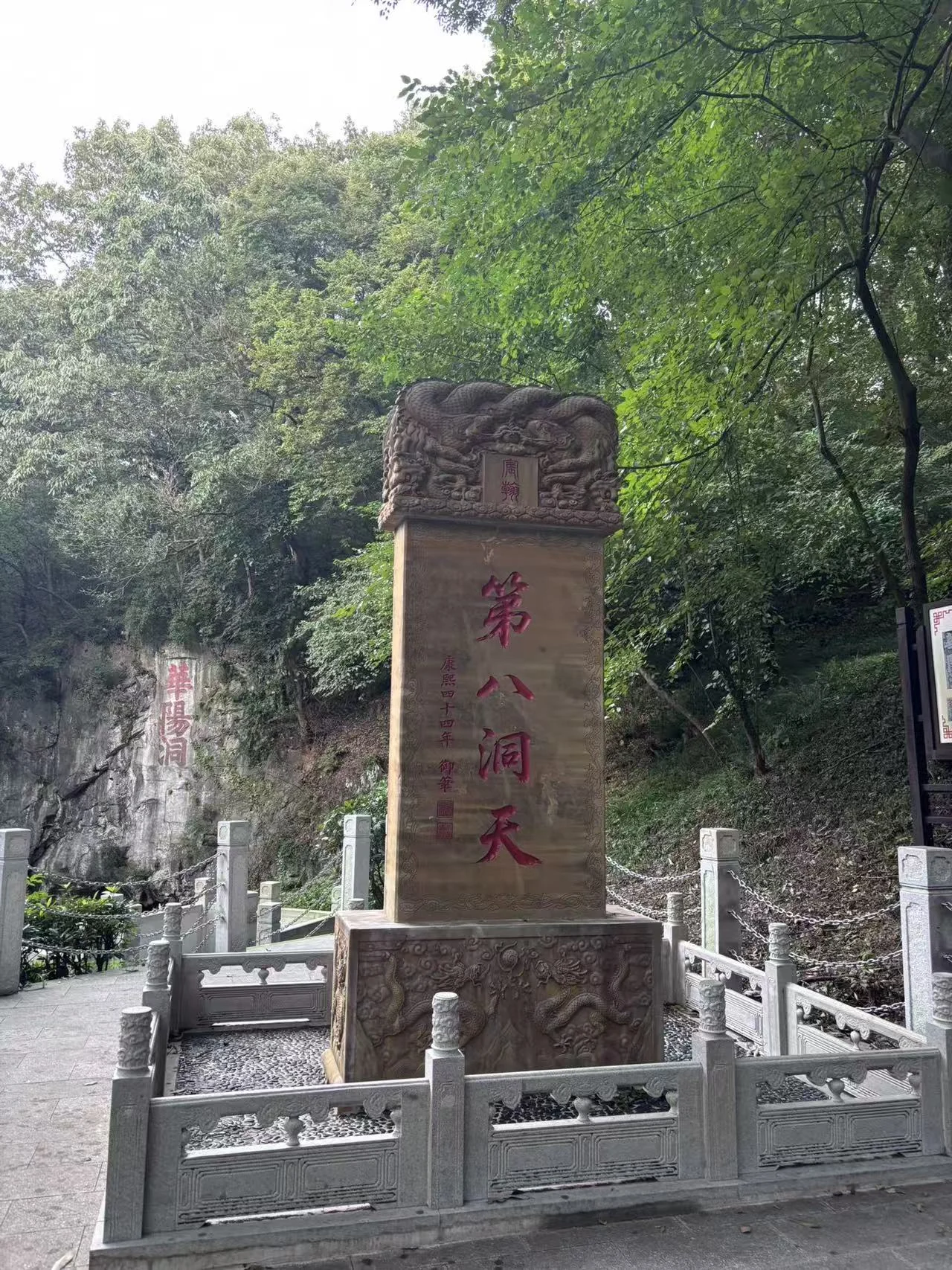
Explore Qianyuan Guan and discuss Maoshan’s religious history, Daoist music and Tao Hongjing’s place in the wider Shangqing tradition.
Encounter wartime history
Visit the former First Detachment headquarters and consider how the temple’s story meets the twentieth-century history of southern Jiangsu.
Share a simple meal
Pause for a vegetarian lunch and time to talk. The meal forms part of the proposed programme and will depend on local arrangements.
Practice & reflect
An introduction to traditional breathing and gentle movement, followed by questions and group discussion. The focus is cultural learning and personal reflection.
A temple.
A place of wartime memory.
In 1938, Qianyuan Guan housed the headquarters of the New Fourth Army’s First Detachment under Chen Yi. The site connects the temple’s religious history with the wartime history of southern Jiangsu.
A visit to the former headquarters would create space to consider that history alongside the temple’s longer cultural life: how a place of religious study also became part of a community’s response to war.
Read the institutional heritage record (Chinese)A thoughtful
introduction.
Tao Hongjing (456–536) helped make Maoshan a major centre of the Shangqing tradition. His legacy joins the study of texts with the pursuit of self-cultivation, offering a starting point for the day’s cultural discussion.
The programme’s breathing and movement session would offer an introduction to traditional practices. Participation, pace and access needs should be discussed with the organiser when arrangements are confirmed.
Meet Tao HongjingA few considerate choices.
- Wear comfortable footwear and clothing appropriate for a place of worship.
- Follow temple guidance and ask before taking photographs of people or ceremonies.
- Keep a respectful distance from altars, figures and ritual objects.
- Discuss language, food, mobility and other access needs in advance.
Quiet observation and conversation are as much part of the day as any planned activity.
Learning beyond
a single visit.